
Twelve organisations form up in new campaign
Firms such as Travis Perkins, Wolseley and the Builders Merchants Federation have grouped together to form a coalition dedicated to improving equality, diversity and inclusion within the construction sector.
The Construction Inclusion Coalition will focus on improving gender representation in its first year, with a poll revealing that only a third of Britons feel confident that their female family or friends would be safe if they joined the industry.
Nearly half of the 2,000 people polled also said they would consider a career in construction if it was more committed to inclusion.
Currently, only 15% of the sector is female, with just 6% coming from ethnic minority backgrounds.
The new organisation has the endorsement of the Construction Leadership Council, whose co-chair Mark Reynolds said: “It is clear that ensuring a consistent approach to equity, diversity and inclusion will be vital for the future of construction, which is why we’re pleased to support the Construction Inclusion Coalition.
“There is much work to be done, however I am confident that sharing knowledge and raising standards, we can make a meaningful impact across the sector.”
HBF report reveals public perception of housing
A new report from the Home Builders Federation (HBF) has found that 72% of the British public think that the Government hold the key to solving the housing crisis – but that they have a lack of understanding of the issues young people face when trying to buy their first home.
Fewer than one in five politicians understand the challenges of accessing the property ladder, according to Housing the Nation, which surveyed 1,851 participants.
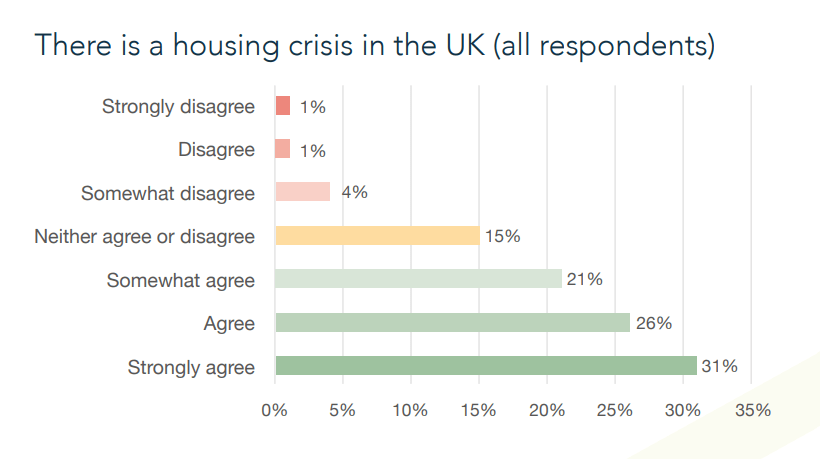
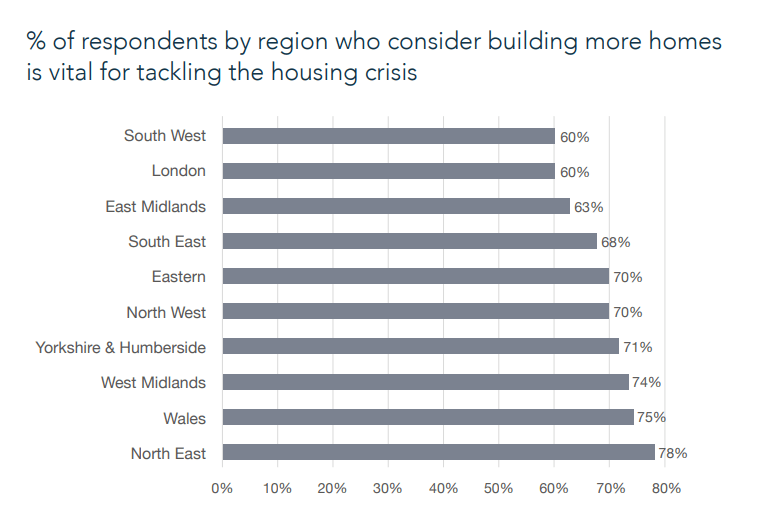
Over two-thirds of respondents agreed that building new homes is vital to solving the housing crisis, but only half believe that easing the shortage is a priority for politicians.
And over 70% of those surveyed stated that housing will play an important part in who they vote for in the next General Election.
Stewart Baseley, Executive Chairman of the HBF, said that the evidence “is now clear”.
The government can no longer ignore the housing crisis facing people across the country.
Stewart Baseley, Executive Chairman, HBF
People generally are accepting of the need to build more homes and elected representatives need to ensure they are representing all the people in their communities, not just a vocal NIMBY minority.
Politicians need to step up and provide the leadership that will allow us to deliver the homes we desperately need.
Broken planning system is breaking us, say SMEs
New research by consultant Lichfields has revealed that outline planning permission for a development now takes a year on average, compared to thirteen weeks in 1990.
The cost of gathering supporting documentation for planning permissions has also grown; adjusted for inflation, the bill was around £28,000 in 1990. Now, the total cost is £125,000.
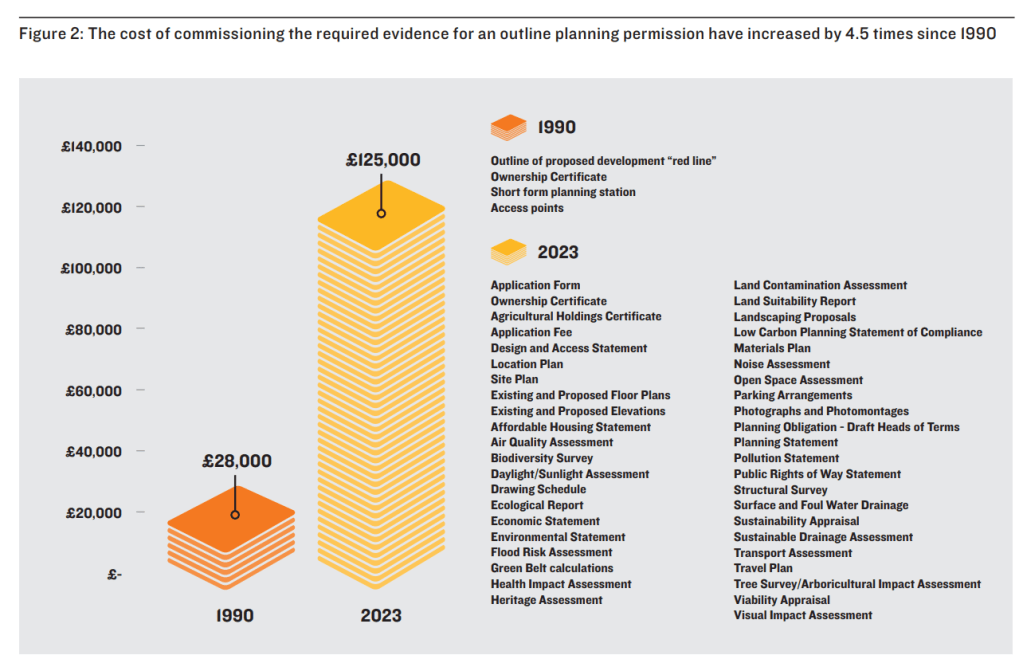
Small Builders, Big Burdens, commissioned by the Land, Planning and Development Federation and United Trust Bank, also found that the number of new homes being delivered by SME housebuilders has declined over the last thirty years.
In 1988 SME developers delivered 39% of all new homes; in 2020 this fell to just 10%.
Meanwhile, the Federation of Small Businesses (FSB) has written to the Housing Minister for support, outlining a set of plans to help bolster the struggling sector.
The letter, to Minister of State for Housing and Planning Rachel Maclean, calls on the Goverment to “focus policy proposals on a sector experiencing significant pressures and adjust policy proposals currently marginalising a sector, which will be pivotal to achieving housebuilding targets and economic aims.”
FSB research has found that more than a third of small construction firms (39%) experienced an increase in late payments in the last three months, with 90% of small construction businesses reporting higher running costs.
The FSB has set out a wish list for Government consideration, including:
- A Small Construction Business Strategy to bring SMEs into the decision process;
- The creation of a national database of available public land for development opportunities;
- A Brownfield Development Relief for small construction businesses using the Land Remediation Relief model.
Despite recent ambitious Government announcements within the sector, smaller firms are being left out.
Tina McKenzie, Policy and Advocacy Chair, FSB
On top of this, small construction firms are being hit particularly badly by late payments and ever rising costs, both hampering their ability to complete projects and having a serious impact on cash flow.
House prices remain ‘subdued’ in August
Rightmove has published its house price index for September, revealing a 0.4% increase in the month but a -0.4% fall in property values over the year – the biggest drop since March 2019.
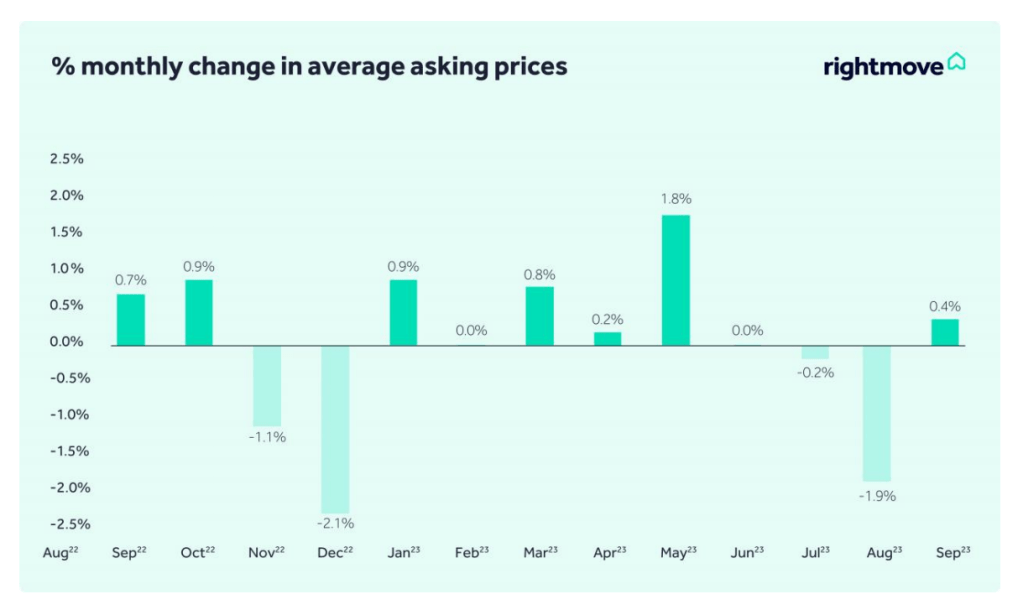
The property website also found that over a third of properties currently for sale have had a price reduction of around £22,700 on average.
However, signs of activity are beginning to pick up, with the number of new properties coming to market jumping by 12% in the first week of September when compared with the average weekly number throughout August.
Plenty of sales are being agreed for properties that are priced at the right level, and those that are selling are still taking five days less than at this time in 2019.
Tim Bannister, Director of Property Science, Rightmove
We’re also seeing the number of fall-throughs decline as market conditions and mortgage rates stabilise.
Meanwhile, official figures from the Office for National Statistics (ONS) have found that the average UK house price increased by 0.6% over the year to July 2023.
The average UK house price was £290,000 in July, with property values increasing by 2.7% over the year in Northern Ireland, compared to 0.7% in England, 0.1% in Scotland, and -0.1% in Wales.
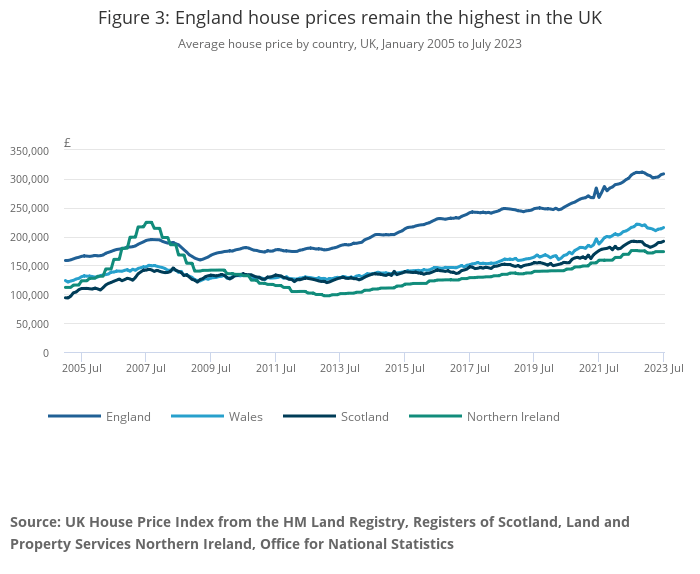
The North East saw the highest annual percentage change of all English regions over the year, rising by 2.7%, with the South West experiencing the lowest, at -1.0%.

Price inflation stabilises amidst market slowdown
The latest Product Availability Statement from the Construction Leadership Council (CLC) has revealed that price inflation has stabilised, showing increases of 1-2% against hikes of around 5% a year ago.
The supply of most building materials has also returned to pre-Covid levels, including bricks, blocks, boilers, plaster and timber products.
The price of timber continues to fall, along with some plastic and energy-intensive products, due to a “stagnation of demand” and the decline in housebuilding activity over the past six months.
Miller Homes profit rises 10%
Edinburgh-based Miller Homes Group has seen profit rise to £160m in the first year under ownership of US private equity firm Apollo.
However, the business revealed that the net debt of the finance vehicle which made the purchase had risen to £600m.
Miller Homes says it built 3,970 homes, up 3% on the previous year, with weekly reservations per site falling from 0.85 in 2021 to 0.62 last year.
 Housing View